
“FOTOGRAFIA [EN] COBERTA”
([Under] Cover Photography)
Photos are often chosen to illustrate a book cover. Figuring out why, examining the relationship established with the book’s content, the selection guidelines and the documentary sources that are consulted is not the goal of this small collective exhibition, created with an eye to the future and featuring renowned artists, rather it seeks to highlight the desire to ask these questions and others around this effective and fruitful symbiotic relationship.
Apart from being a magnificent incentive to read or buy a book, images by Xavier Miserachs, Colita, Dorothea Lange, Gabriel Casas, Agustí Centelles, and Josep Carreras allude to the connection between literature, the publishing world, and photography, a bond that invites interdisciplinary dialogue and reflection on the use of photography in the literary sphere, beyond the initial objective for which it has been created.
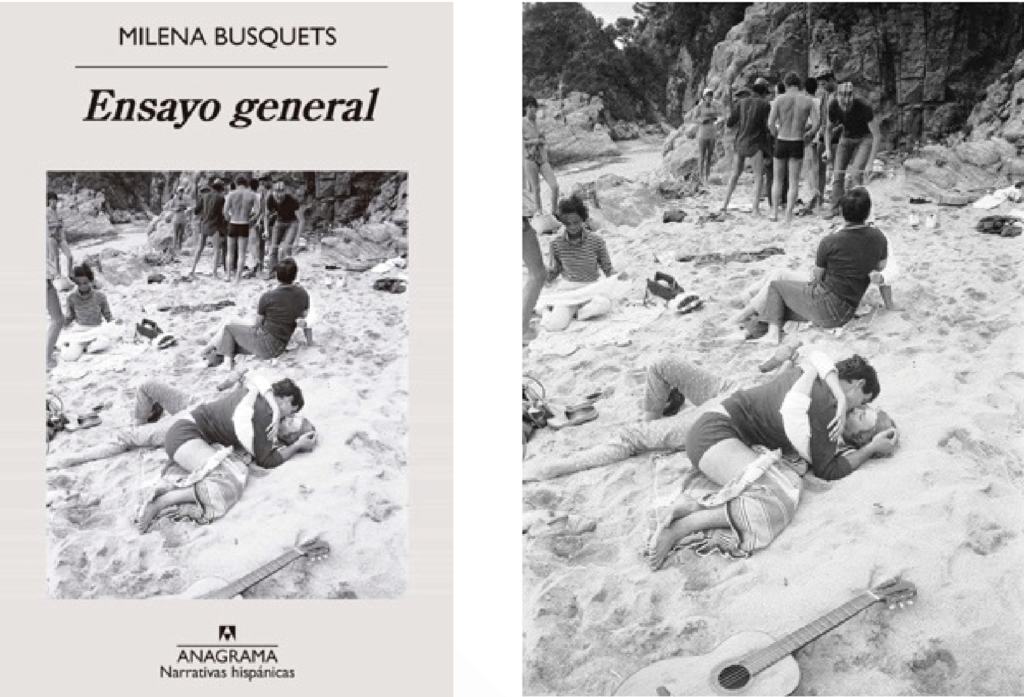
Xavier Miserachs. Tossa de Mar, 1965 © Heirs of Xavier Miserachs
Closely linked to the Baix Empordà, Xavier Miserachs (Barcelona, 1937 – Badalona, 1998) was one of the most important figures in photography in Catalonia as well the man who lends his name to the Biennal.
In 1952, he joined the Photographic Association of Catalonia, where he forged friendships with the generation of the 1950s and 1960s, all of whom were dedicated to revitalising photography in Catalonia. Starting in the 1960s, his work as a photographer included reporting, editorial photography and advertising. He was also a founding member of the Eina School of Barcelona, formed in 1967, where he was also a professor.
In the 1990s, he became famous with an anthology exhibition organised by the Fundació La Caixa (1992), received the Cross of Saint George of the Government of Catalonia (1998) and the Gaziel Biography and Memory Award (1998).
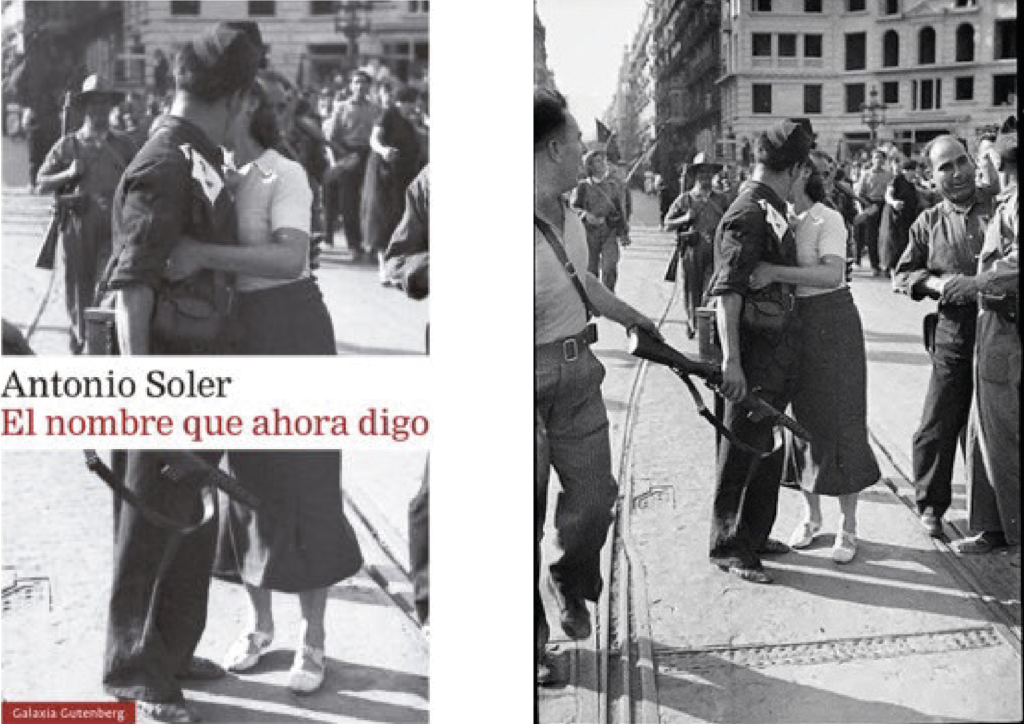
Agustí Centelles. A young woman kisses Joan García Oliver (1901-1980), a syndicalist leader of the Los Aguiluchos column during the military parade prior to deployment as it heads towards Estació del Nord. Barcelona, 28 August 1936. Spain. Ministry of Culture. Documentary Centre for Historical Memory (Centelles 4496)
A self-taught photographer who sought to revitalise the art in the Catalan press in the 1930s, Agustí Centelles (Valencia, 1909 – Barcelona, 1985) documented sporting events, cultural activities and celebrations in Barcelona. When the Spanish Civil War broke out, he became a chronicler and later worked with the resistance in Carcassonne.
Between 1939 and 1944, he was held prisoner in the internment camps in Argelès-sur-Mer and Bram, where he portrayed the life of the prisoners and took the ID photographs of the people detained there. He kept the negatives in a suitcase that he left in France which he would not retrieve until 1976.
In 1984, he received the National Award for Plastic Arts, while his legacy has been preserved in the Documentary Centre for Historical Memory in Salamanca since 2009.
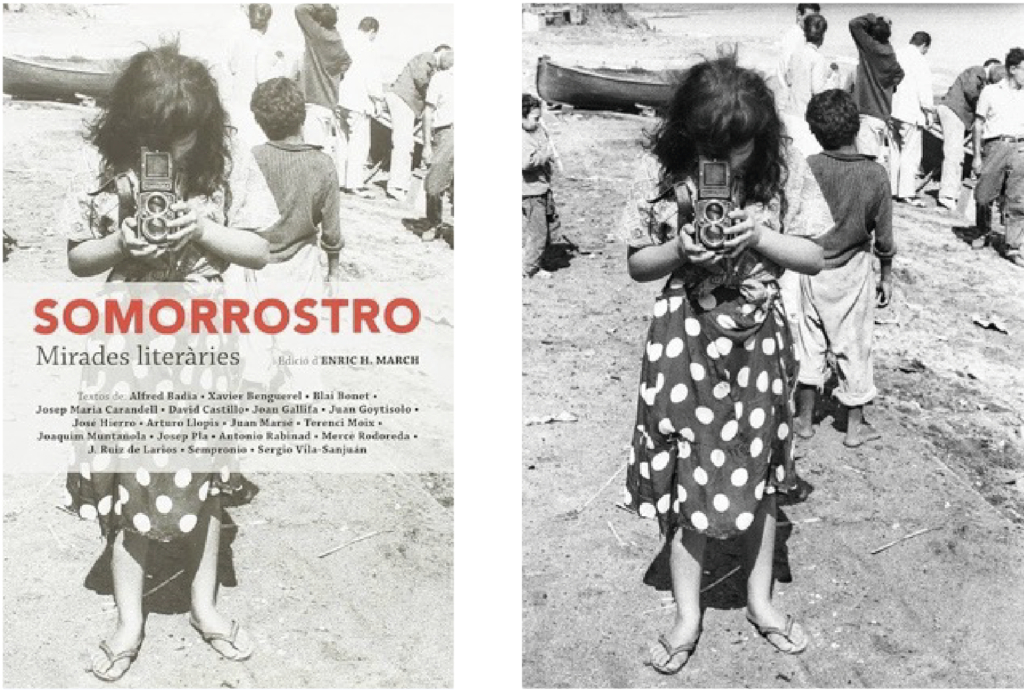
Colita. Singla with a photo camera. Somorrostro, Barcelona, 1963 © Colita Photographic Archive
Colita (Barcelona, 1940-2023) was one of the most revered and daring figures in photography during the Spanish Democratic Transition.
She started working in the field in the late 1950s, as part of the generation that was rejuvenating photography. She worked in close connection with the intellectual and artistic circles in Barcelona, documenting a society that was striving to get out of dire straits and hoping to restore leisure and culture.
She received the Spanish National Photography Award in 2014 as well as the Journalism Award and the Cross of Saint George in 2023.
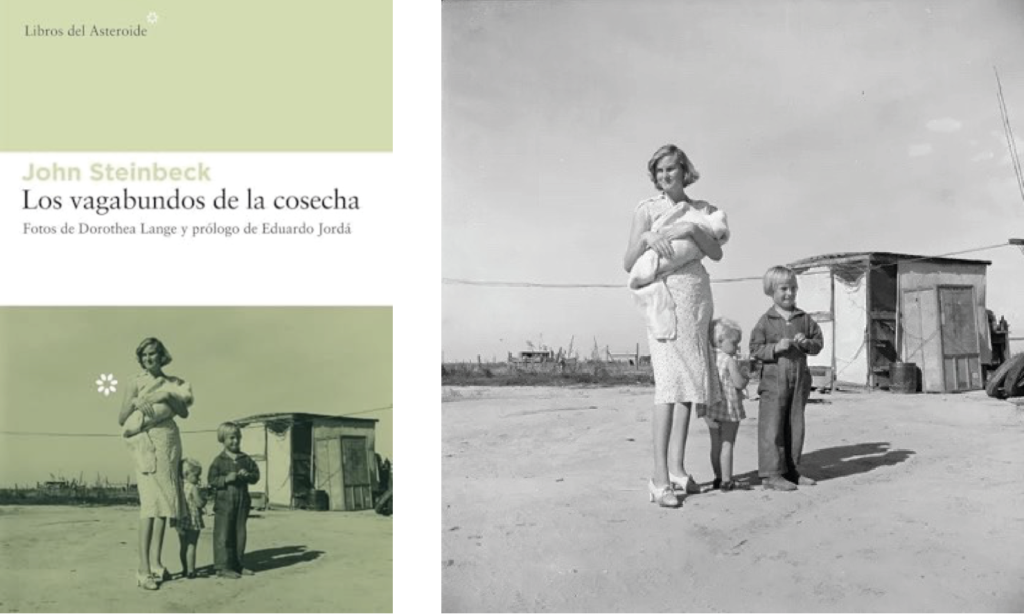
Dorothea Lange. Family of a rural rehabilitation client. Tulare County, California, 1938. Courtesy of the United States Library of Congress; Prints and Photographs Division, the Farm Security Administration Collection.
Dorothea Lange (Hoboken, New Jersey, 1895 – San Francisco, 1965) was one of the most celebrated American photographers of the 20th century.
She developed a keen interest in photography when she was studying in New York where she apprenticed in the studios of various portrait artists until 1918 when she set up her own studio in San Francisco.
From the outset, her work focused on people, a principle she upheld and strengthened during her time as a documentary photographer for the Farm Security Administration.
In 1952, she co-founded the magazine Aperture, which remains the gold standard in the field of photography today. The MoMA organised the first retrospective of her work in 1966 shortly after her death, and she was the first female photographer who held an individual exhibition.
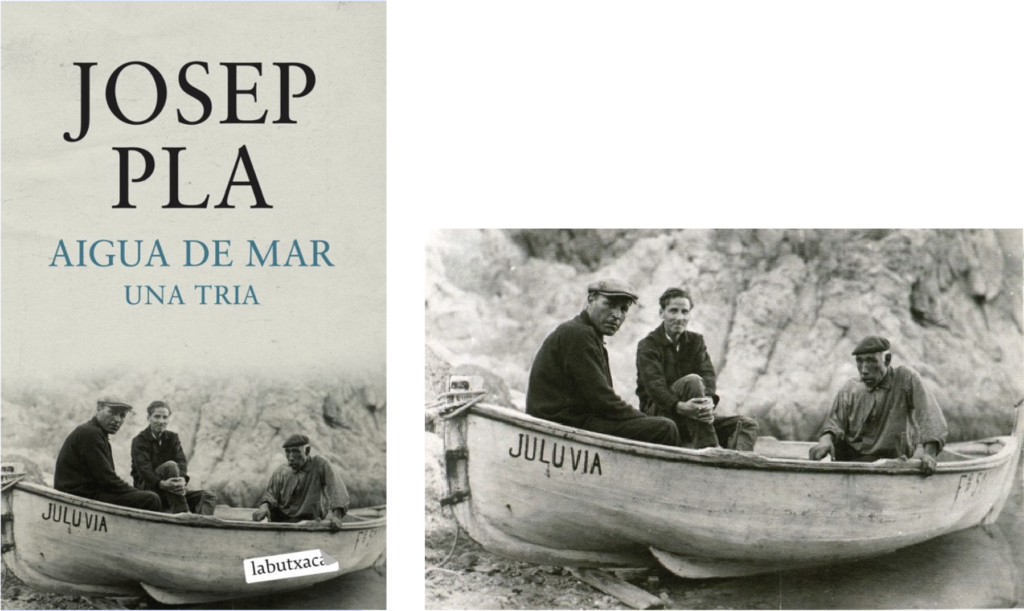
Unknown artist. Josep Pla, Josep M. de Vehí and l’Hermós. Agua Xelida, ca. 1928 1928. Josep M. de Vehí Collection
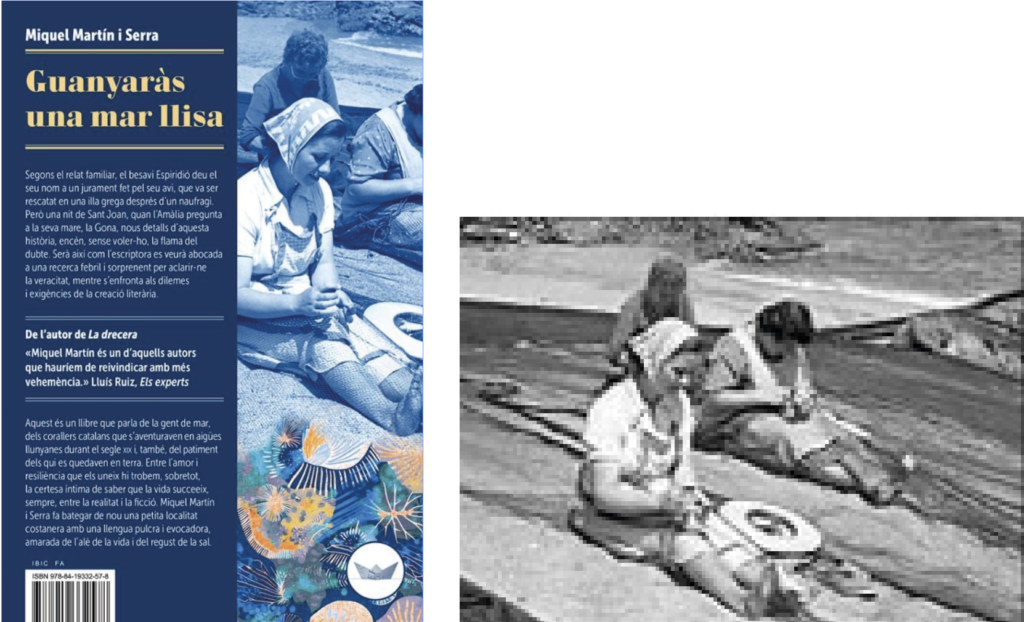
Josep Carreras. Women mending fishing nets on the beach of Sa Riera. Begur, 1958 © Josep Carreras
Born to a working-class family that worked in the cork industry, Josep Carreras (Begur, 1920-2002) held numerous positions before delving into photography by selling postcards.
With the expansion of tourism in the late 1950s, the Costa Brava became a summer hotspot. New urban planning projects and leisure and tourist activities had to live side-by-side with the coastal tradition and the natural splendour of the landscape. Set against this backdrop, Carreras bore witness to the visual memory of a region undergoing transformation for more than half a century.
In addition to his activity as a photographer, he worked with the Begur Municipal Archive, where a significant part of his collection is stored, and participated as a writer in the town‘s magazine Es pedrís llarg. In 1995, the Begur Town Council named him the honoured son.
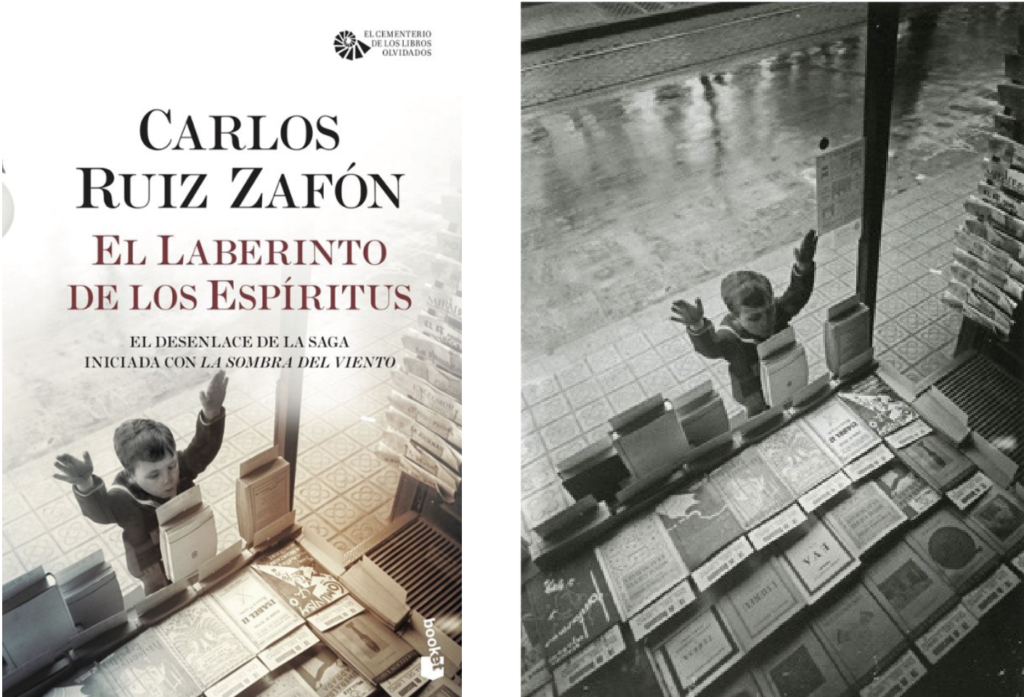
ANC. Gabriel Casas Galobardes Collection (ANC1-5-N-6532)
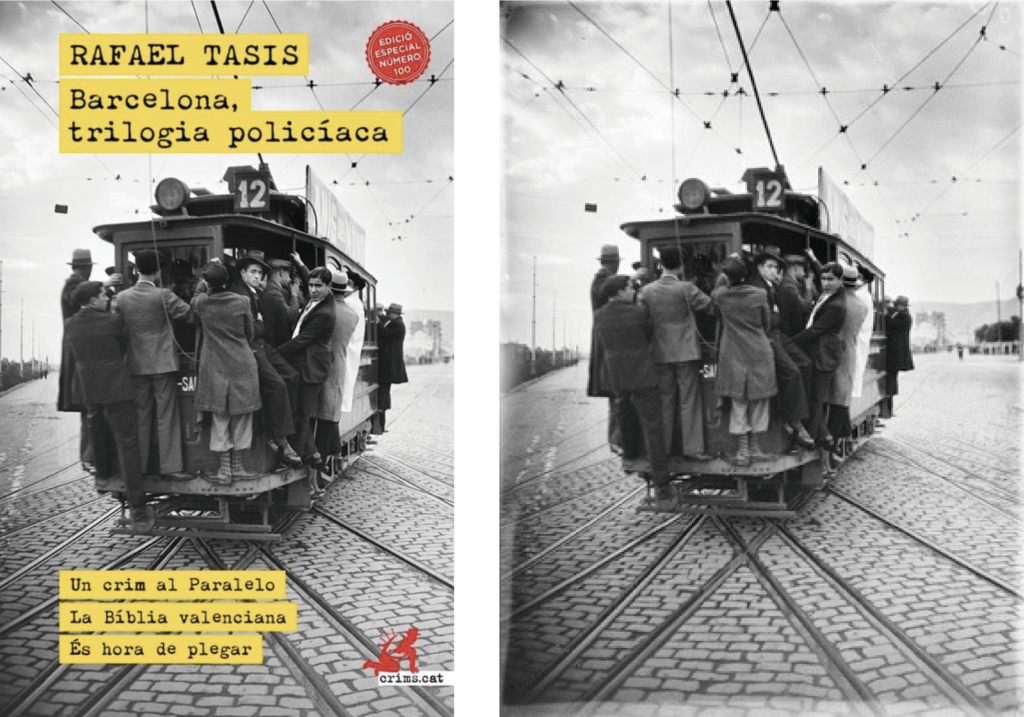
ANC. Gabriel Casas Galobardes Collection (ANC1-5-N-5076)
Gabriel Casas (Barcelona, 1892-1973) started out in photography at a very young age, together with his father, working in different studios in Barcelona and Argentina, where he moved at the age of 21. In 1917, he returned to Catalonia and led a versatile, wide-ranging practice.
In 1929, he was named the official photographer of the International Exposition of Barcelona, a time in which he consolidated a language that combines informative reporting with European avant-garde aesthetics.
Suffering repression after the Spanish Civil War, he posthumously rejoined the Official Registry of Journalists in 1983, while in 1995 his collection was included in the National Archive of Catalonia.
Curated by
Biennal de Fotografia Xavier Miserachs
Produced by
Biennal de Fotografia Xavier Miserachs and Nollegiu Mediterrània
Graphic design
Carles Reig
Photos printed by
EGM
Linguistic advice and translation
Núria Sàbat, Daniel Parsons and Flavie Marczoch