
“DOROTHEA LANGE. UN LLARG VIATGE”
(Dorothea Lange. A Long Journey)
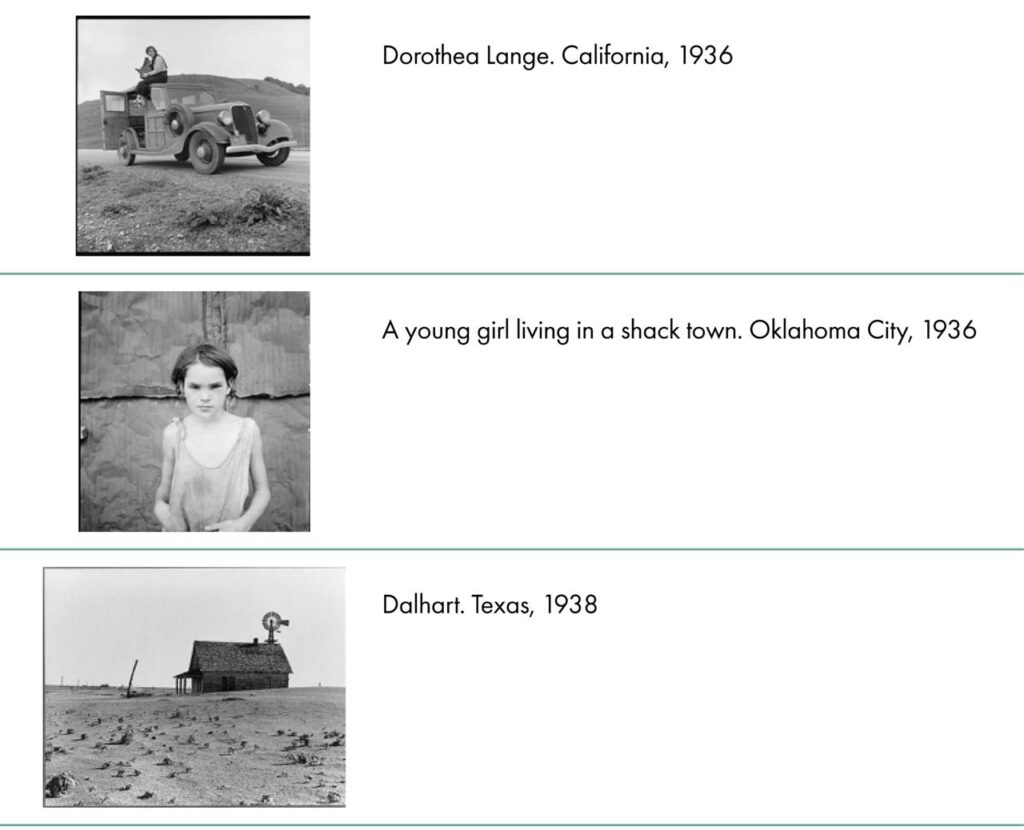
Dorothea Lange (Hoboken, New Jersey, 1895 – San Francisco, California, 1965), a pioneering documentary photographer, occupies an important position in the history of photography in the 20th century. Her interest in social justice, her democratic spirit and refined artistic sensibility ensure that her images not only document but also transcend the reality she depicted.
She became interested in photography at an early age and she trained in this art in various studios, including the New York firm run by Arnold Genthe, the renowned photographer of celebrities from the cultural, political and social world of the United States in the 20th century. Later, Lange opened her own business in San Francisco where she won over clientèle due to the nature, elegance and sensitivity that she portrayed in her photographs.
When the Great Depression started, she hit the street with her heavy Graflex camera to photograph the destitution, poverty and demonstrations which awakened her interest in documenting the consequences of the severe economic crisis devastating the country that would form the objective of all her subsequent work.
In 1934, she was hired by the Farm Security Administration (FSA). The project, which fell under the New Deal launched by Franklin D. Roosevelt, brought together numerous photographers who sought to raise awareness about the widespread misery in the United States, stirring public opinion and urging support for the governmental actions.
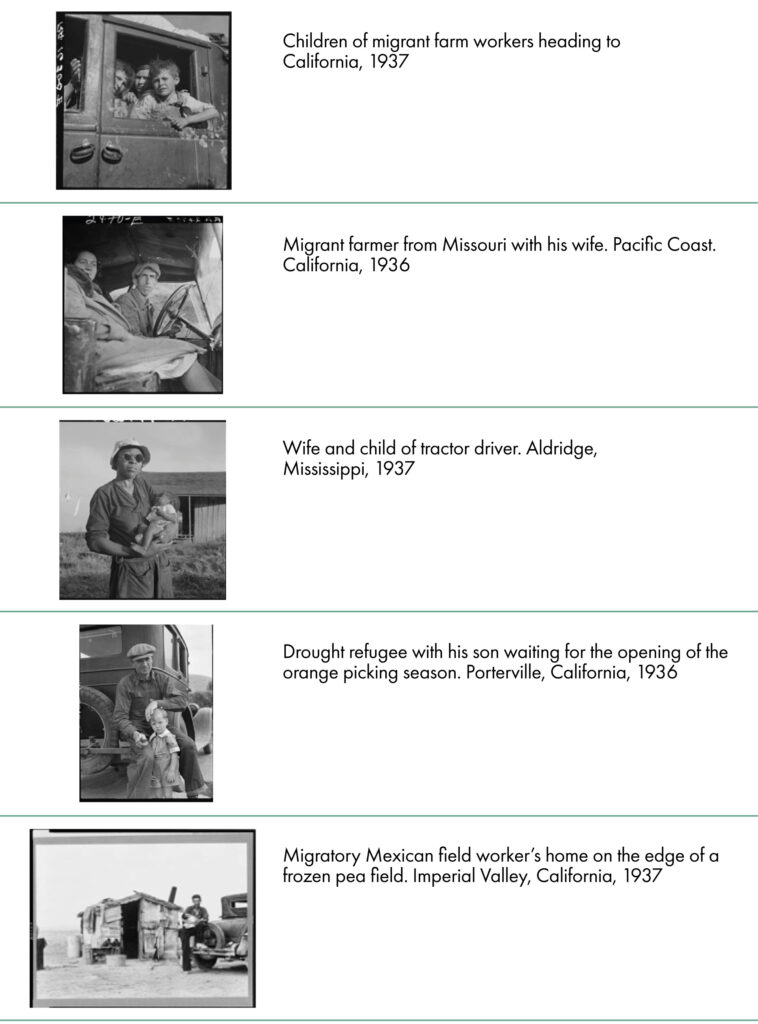
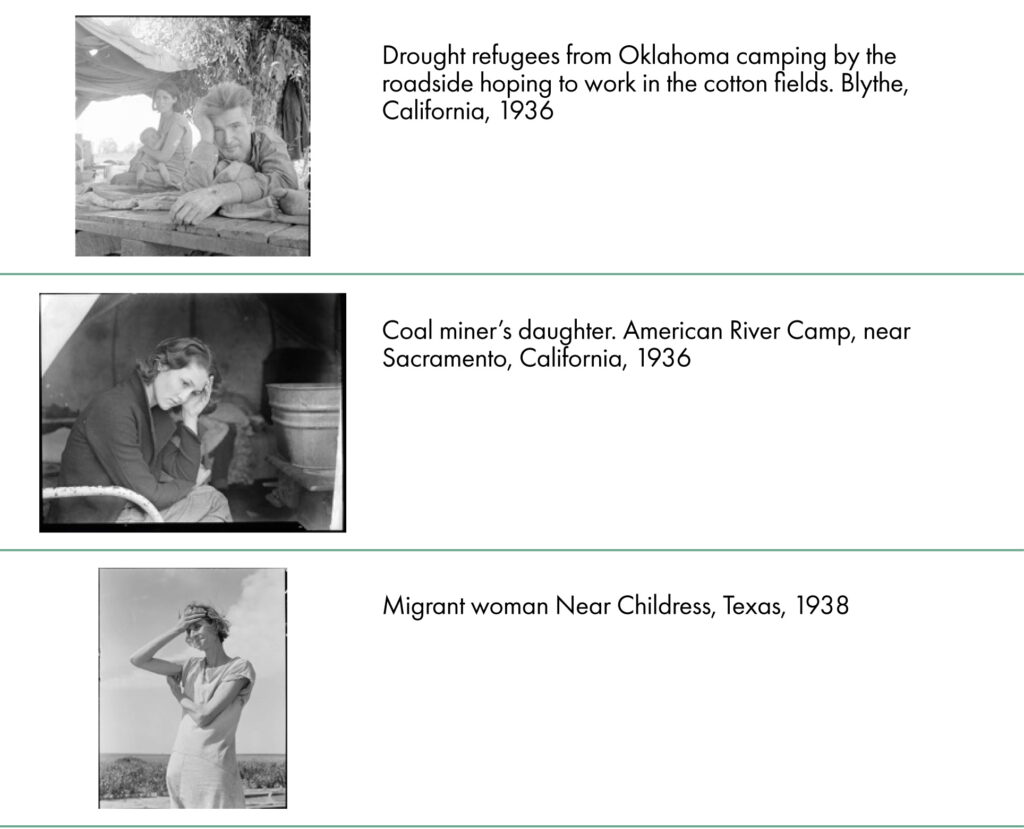
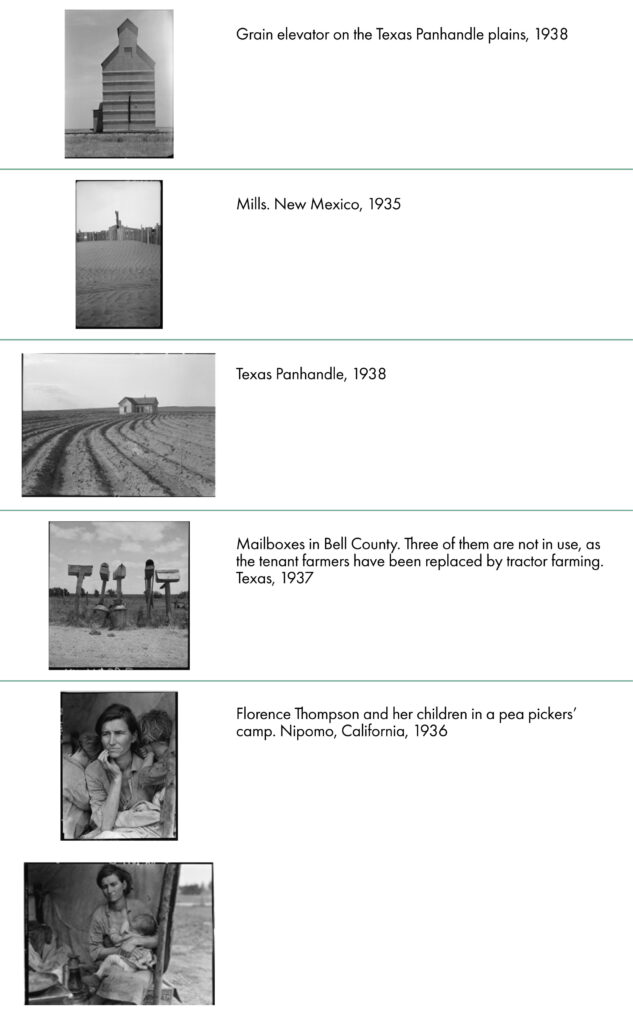
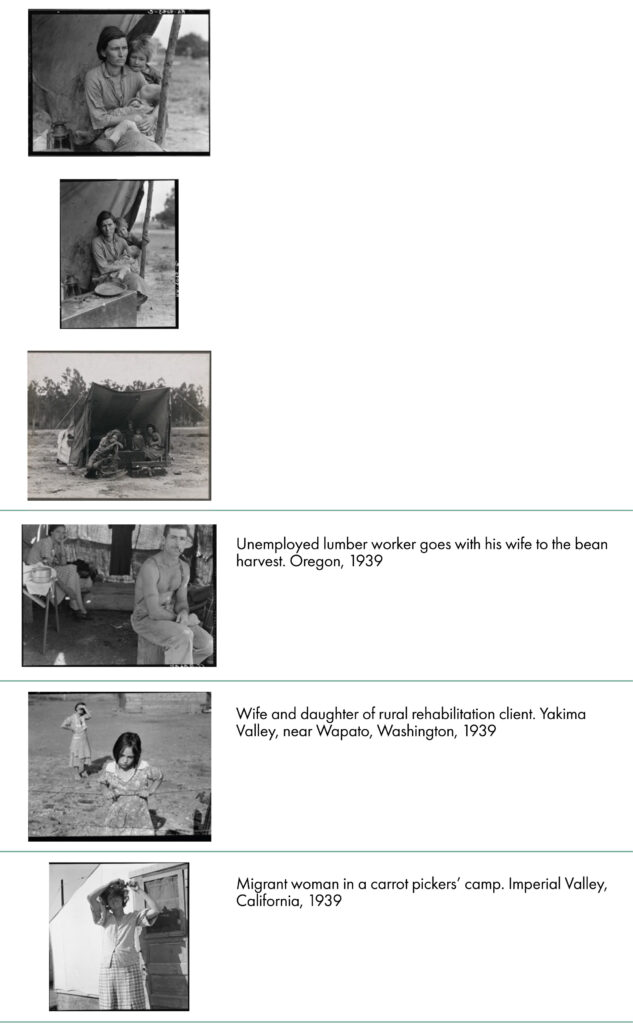
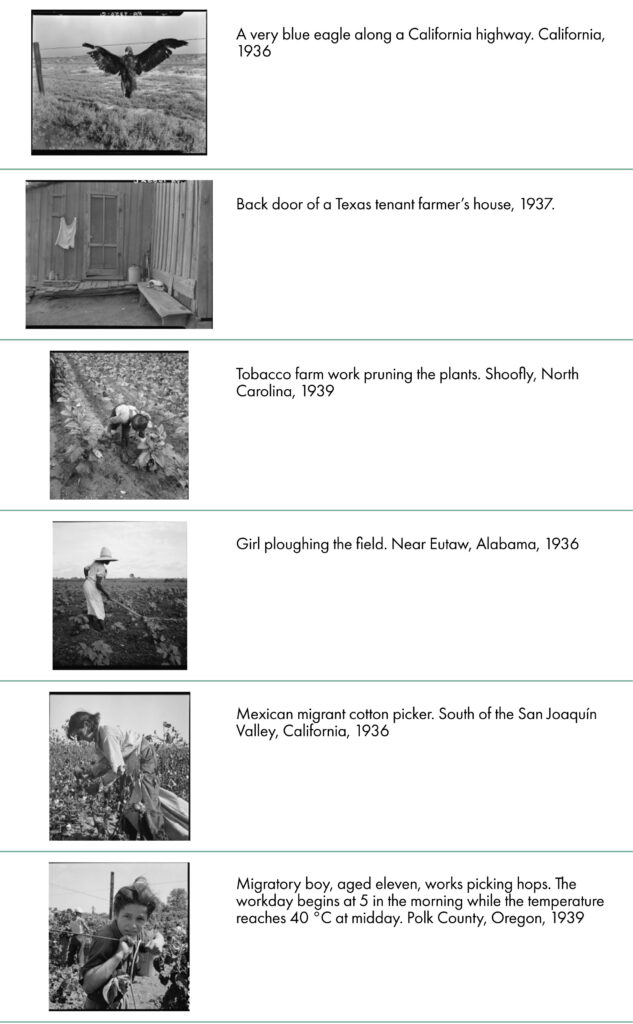
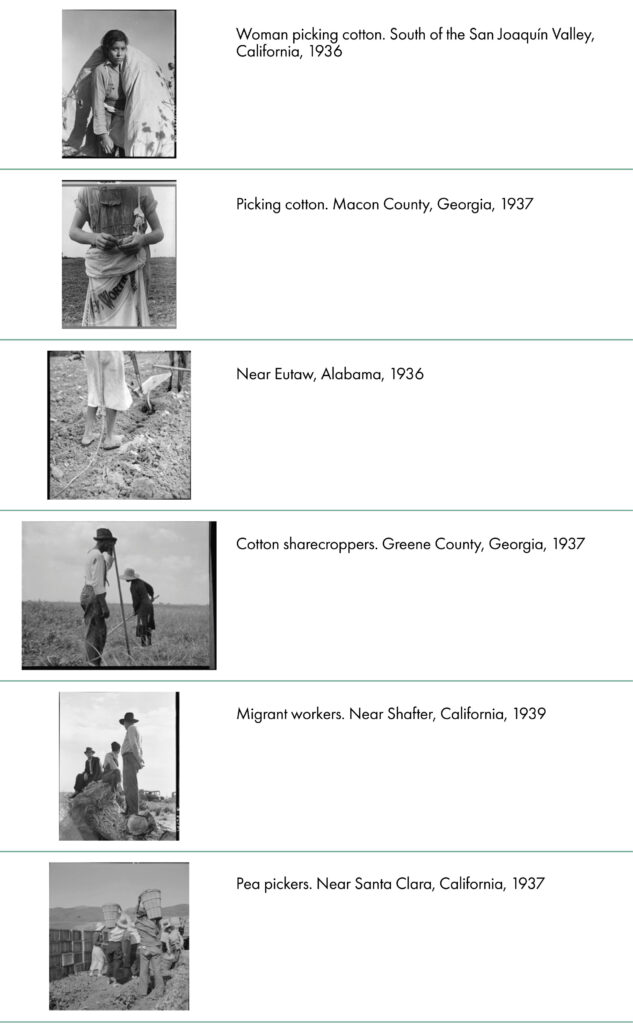
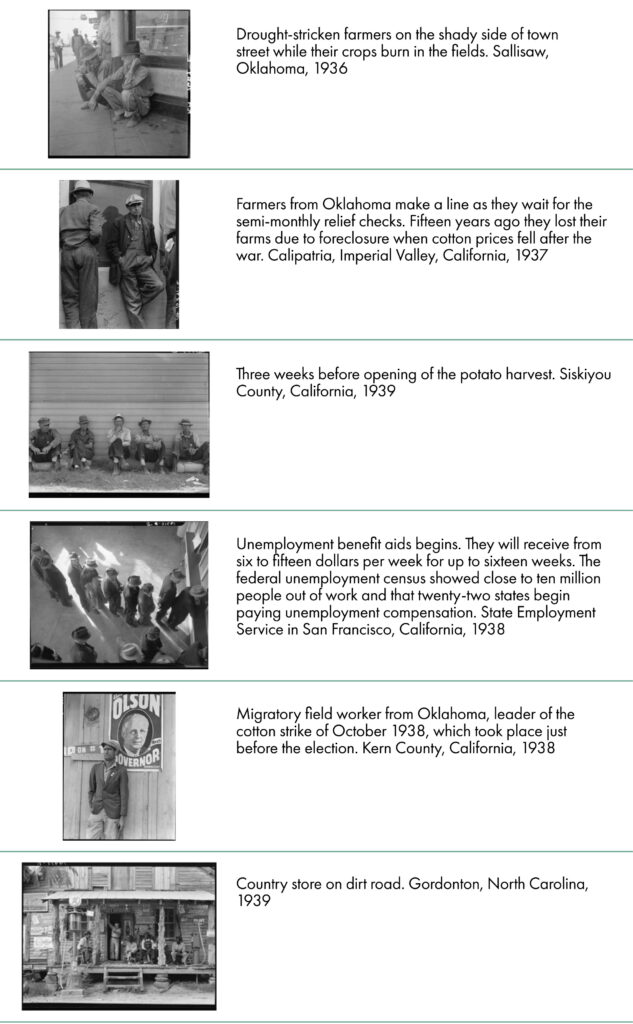
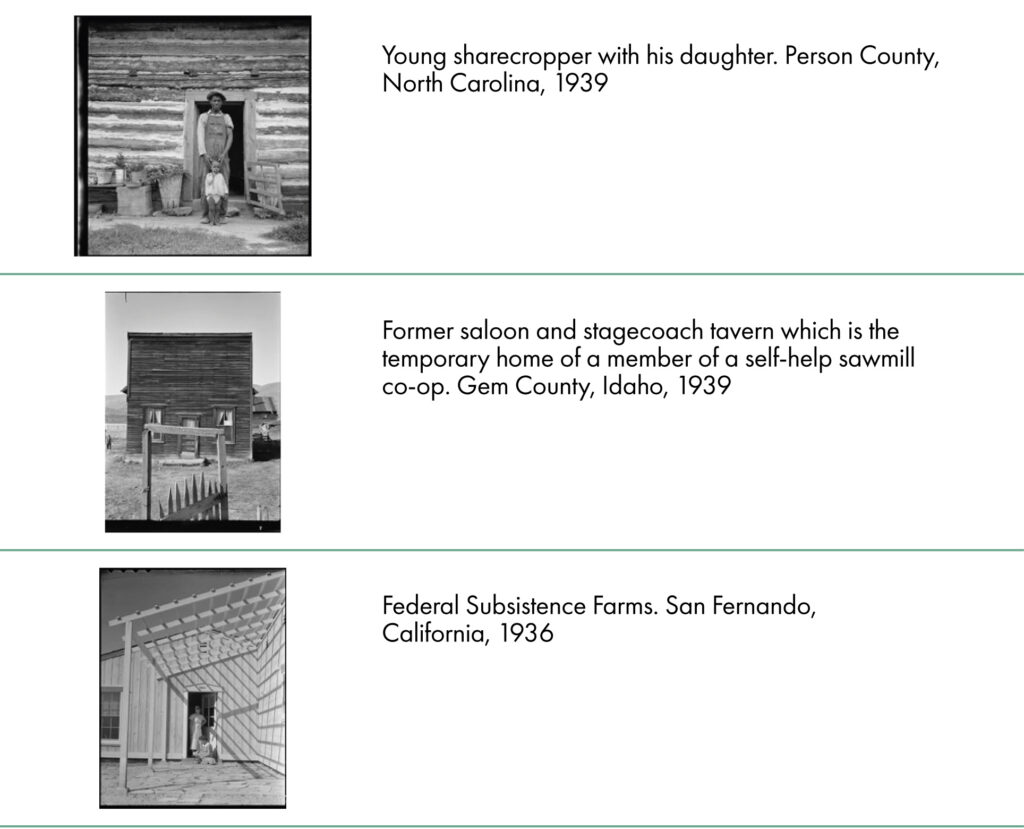
“Dorothea Lange. Un llarg viatge” (Dorothea Lange. A Long Journey) features a selection of images of the work that the photographer carried out for the FSA. In particular she documented the effects of the Dust Bowl, the storm that swept across vast swaths of crops and prairies in the centre of the country, forcing millions of people to migrate, especially towards California, and was one of the most important environmental disasters of the 20th century.
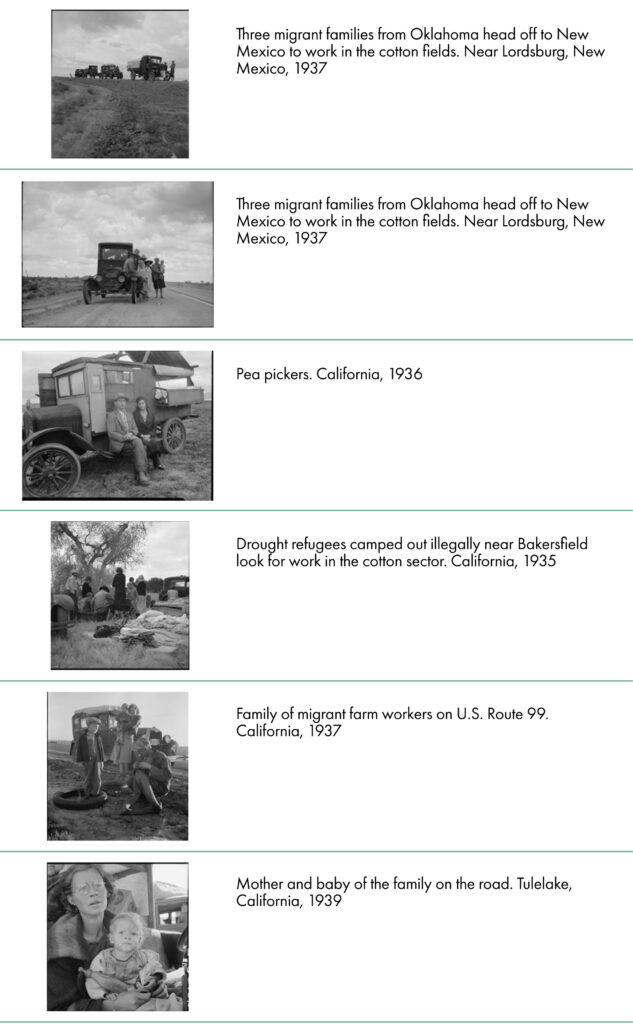
In addition to photographing desolate landscapes and abandoned farms, her work, which was well documented with details and notes and featured a clear political outlook, stands out for the extensive gallery of portraits of migrants, photographed with the experience that she had acquired over so many years of work in her studio, including the photo of Florence Thompson and her children, one of the most iconic images in the history of photography.
Accompanying the photographs are quotes taken from the novel The Grapes of Wrath (1939) by John Steinbeck. The author magnificently expressed in words the situations of extreme poverty that Lange described in her images. The texts and photos complement each other, guiding us through this long journey that the artist and the subjects of her snapshots embarked upon, while also bringing us closer to our realities today.
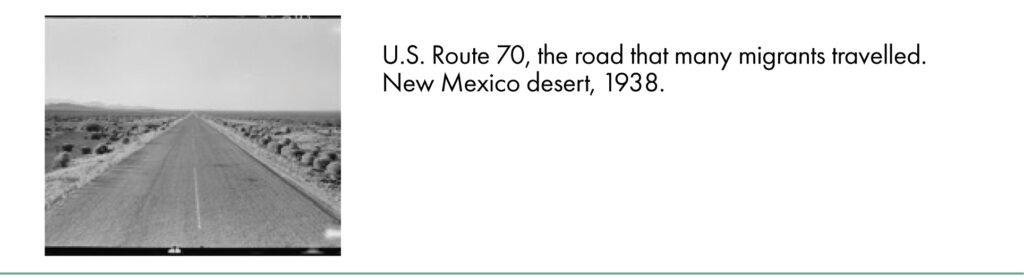
«Highway 66 is the main migrant road. 66 – the long concrete path across the country, waving gently up and down on the map, from the Mississippi to Bakersfield – over the red lands and the gray lands, twisting up into the mountains, crossing the Divide and down into the bright and terrible desert, and across the desert to the mountains again, and into the rich California valleys.»
All quotes included in this exhibition are taken from The Grapes of Wrath (1939) by John Steinbeck. Penguin Books. Great Britain, 2000
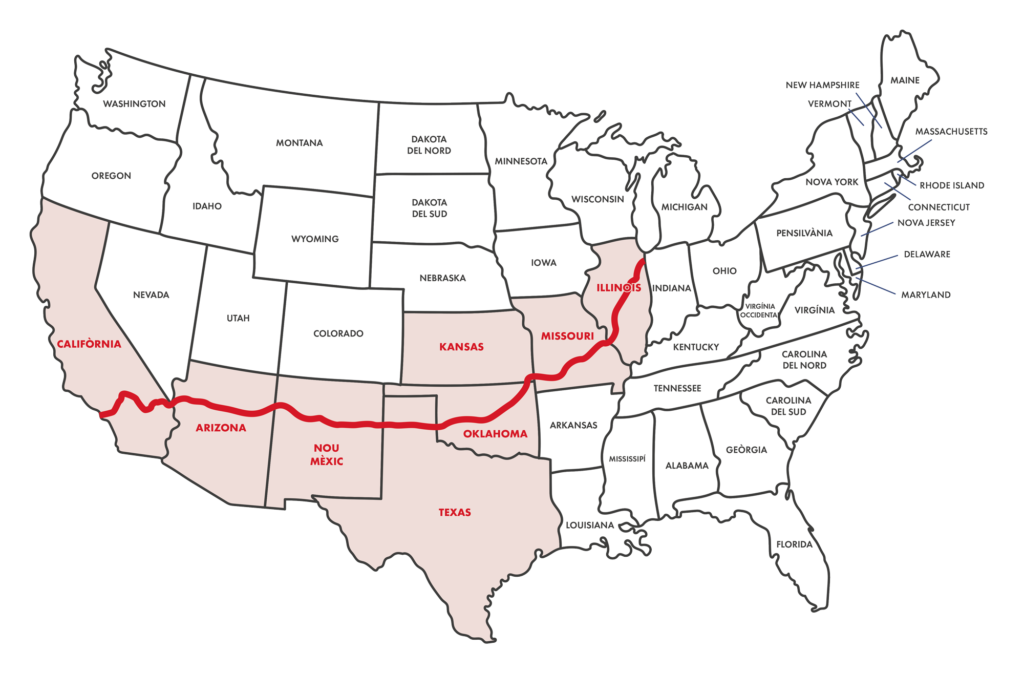
«66 is the path of a people in flight, refugees from dust and shrinking land, from the thunder of tractors and shrinking ownership, from the desert’s slow northward invasion, from the twisting winds that howl up out of Texas, from the floods that bring no richness to the land and steal what little richness is there. From all of these the people are in flight, and they come into 66 from the tributary side roads, from the wagon tracks and the rutted country roads. 66 is the mother road, the road of flight.»
«Thus they changed their social life – changed as in the whole universe only man can change. They were not farm men any more, but migrant men. And the thougth, the planning, the long staring silence that had gone out to the fields, went now to the roads, to the distance, to the West.»
«How can we live without our lives? How will we know it’s us without our past?
How’ll it be not to know what land’s outside the door? How if you wake up in the night and know – and know the willow tree’s not there? Can you live without the willow tree? Well, no, you can’t. The willow tree is you.»
«I went up an’ I looked, an’ the houses is all empty, an’ the lan’ is empty, an’ this whole country is empty. I can’t stay here no more. I got to go where the folks is goin’. I’ll work in the fiel’s, an’ maybe I’ll be happy.»
«In the souls of the people the grapes of wrath are filling and growing heavy, growing heavy for the vintage.»
«Woman, it’s all one flow, like a stream, little eddies, little waterfalls, but the river, it goes right on. Woman looks at it like that. We ain’t gonna die out. People is goin’on – changing’ a little, maybe, but goin’ right on.»
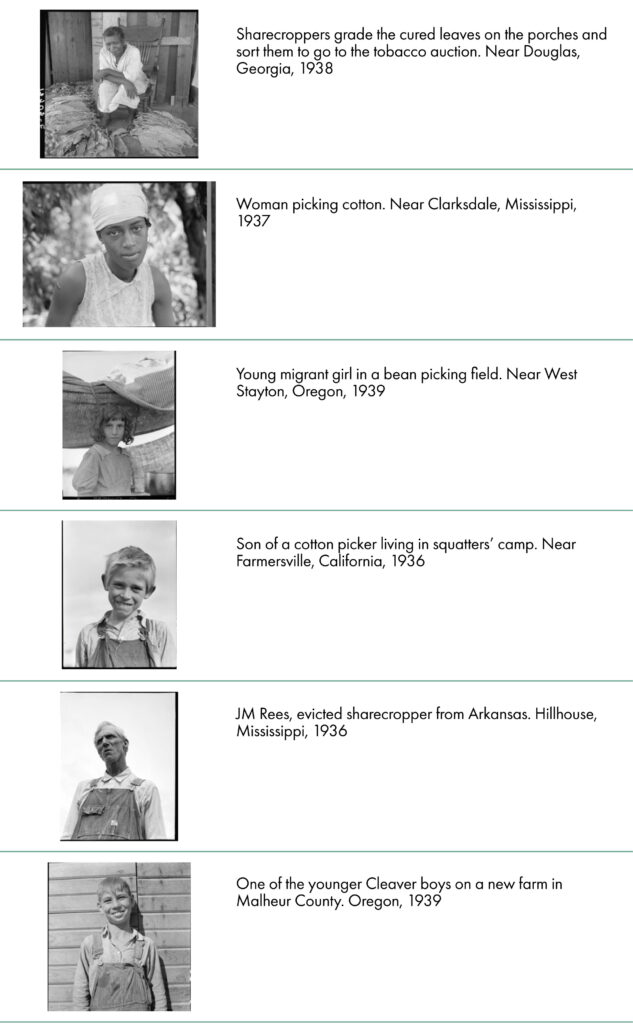
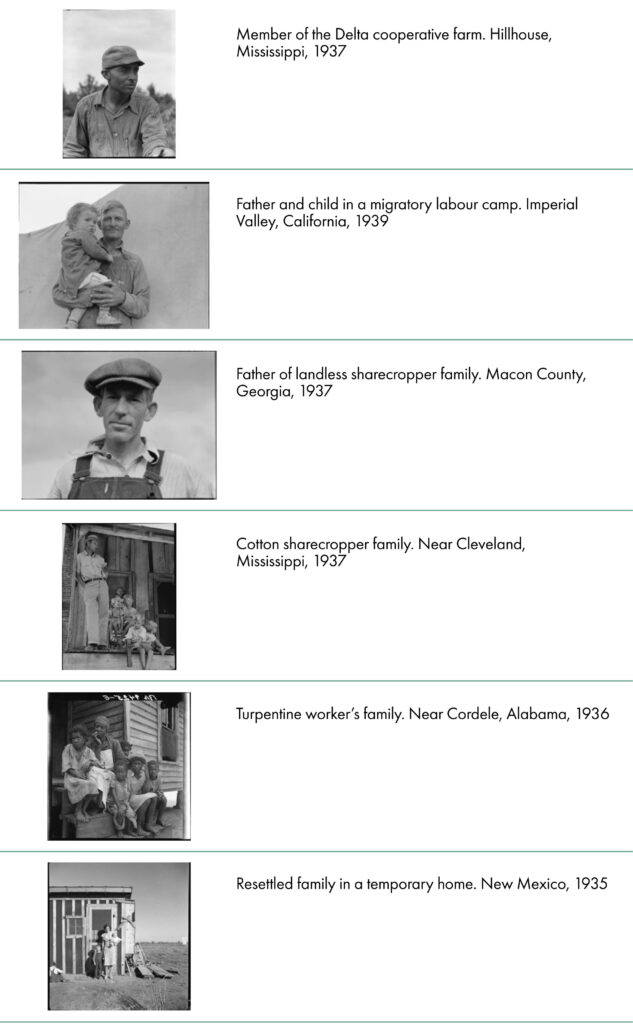
«The women watched the men, watched to see whether the break had come last. The women stood silently and watched. And where a number of men gathered together, the fear went from their faces, and anger took its place. And the women sighed with relief, for they knew it was all right – The break had no come; and the break would never come as long as fear could turn to wrath.
Tiny points of grass came through the earth, and in a few days the hills were pale green with the beginning year.»
Curated and produced by
Biennal de Fotografia Xavier Miserachs
Exhibition design by
Lluís Bruguera
Graphic design by
Carles Reig
Photo prints by
Rebel·lab Photo
Frames by
Arte Pisano & Pellet Punto
Linguistic advice and translations by
Núria Sàbat, Daniel Parsons and Aina Pubill
All the images in this exhibition come from the United States Library of Congress; Prints and Photographs Division, the Farm Security Administration Collection.